

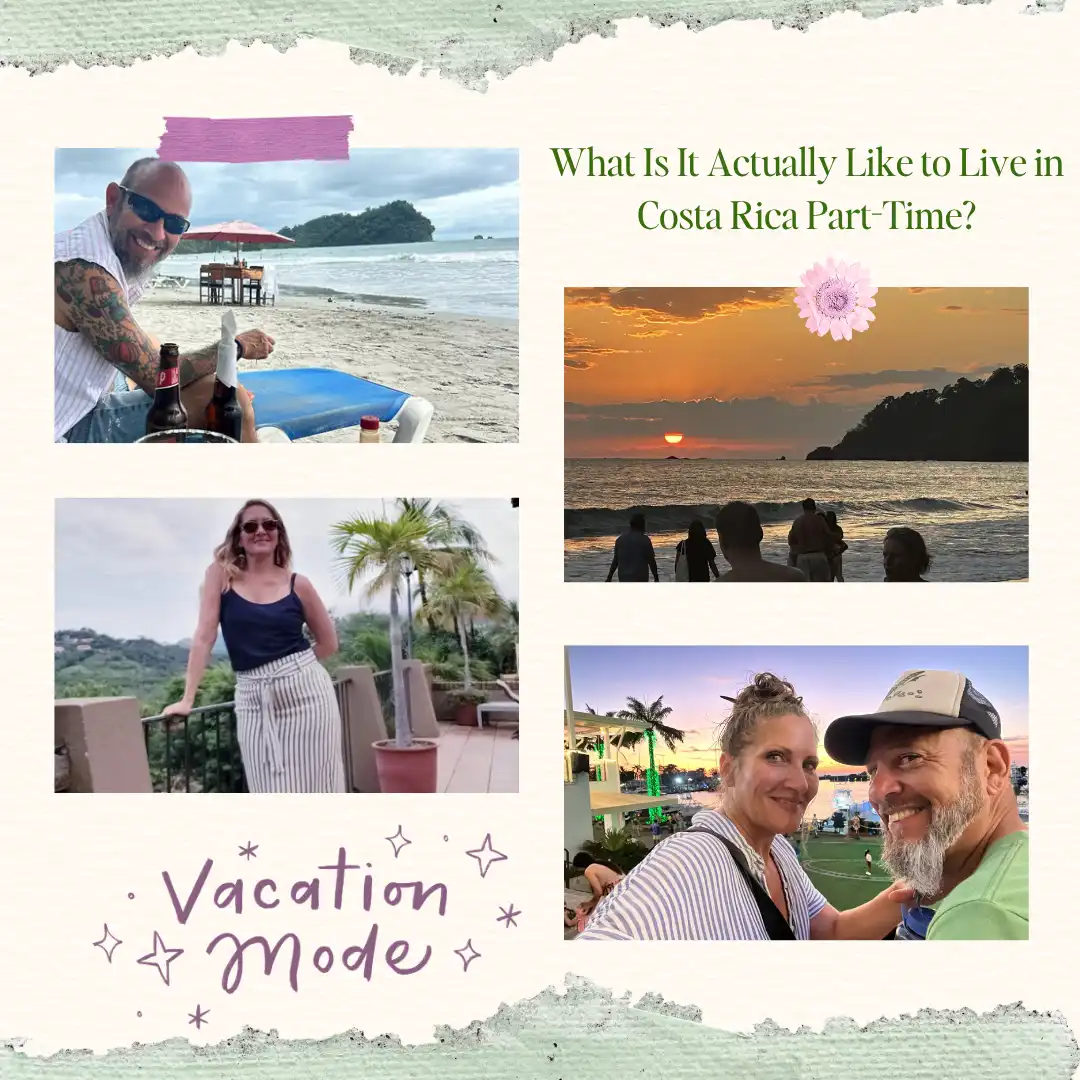
The lifestyle is one of the main reasons buyers make the move.
Pura vida isn’t just a slogan – it reflects a genuine cultural approach to daily life that many Americans find deeply appealing. Slower pace, strong community, access to nature, and year-round warmth are consistent themes among buyers who split their time between Costa Rica and the U.S. The lifestyle case is easy to make. The practical side requires a little more preparation.
Infrastructure has improved dramatically in key areas.
In established expat areas like Tamarindo, Jacó, Atenas, and the Central Valley, buyers can expect reliable internet, good healthcare access, English-speaking services, and well-stocked grocery stores. In more remote or rural areas, the infrastructure picture changes considerably. Matching your lifestyle expectations to the specific location you’re considering is one of the most important steps in the process.
Healthcare is a consistent draw.
Costa Rica’s healthcare system is widely recognized as one of the best in Latin America. Both the public CAJA system and private hospitals – particularly in San José – offer quality care at a fraction of U.S. costs. For buyers who are pre-retirement or early retirement age, access to affordable healthcare is often one of the most compelling factors in the decision.
Part-time ownership is a common and successful entry point.
Many TRREG clients purchase in Costa Rica without intending to move there full-time – at least not initially. They use the property personally for a portion of the year, generate rental income in their absence, and revisit the question of full relocation over time. It’s a low-pressure way to test the lifestyle before committing to a permanent change.
Tiffany Russell Group